August 6, 2016
The New Rose Diamonds


We have successfully finished our move-in and are in full production mode at 1374 E Republic Rd. Thank you for your patience as we re-organized.
May 7, 2016
Upcoming Changes at Rose Diamonds
Rose Diamonds will soon be streamlining their services to a single location to maximize customer service and efficiency. We look forward to seeing the new changes!
March 31, 2016
Overcoming Pre-Existing Perceptions in the Retail Industry
Today I had a client that said something to me today that made me think. I was with another client when she walked in, an older gentleman. I acknowledged her and told her I’d be with her shortly before continuing my conversation with the first client.
He was an older gentleman who was helping his mother with her estate jewelry collection, which included loose gemstones, cocktail rings, costume rings, and men’s jewelry. Gem Identification has always been a lot of fun for me, so I give my clients plenty of opportunities to cut-off my “lectures.” Both my parents are teachers, so this is probably in my genes to force education on people. We wrapped up our chat, and I look forward to welcoming him back the next time he is in town.
The client who had been patiently waiting while browsing the shop approached the counter and commented on my shop. It is not the fanciest place you will find in the industry, but I have worked to develop a casual “vibe.” I have pictures out of family members who mean something to me (the store is named after my grandparents, who first introduced me to diamonds) and the showcases are peppered with books, because I am a nerd.
She said, “I like your store. It feels comfortable.” I laughed and we discussed what inspired the “casualness” of the store. I look much younger than I am, and have had some pretty negative experiences with customer service in the past at pretentious shops, jewelry and otherwise. I told her about them and shared how they made me feel, explaining that I never like my clients to feel like they are “wasting my time” or don’t “belong here.” If my clients want to pick up their jewelry repair in pajama bottoms and crocs, there’s no judgement.
The jewelry industry is changing, and I am not perfect by any means. I think it is up to retailers to bring back the “human element” to the jewelry industry. One of several reasons people have opted to purchase jewelry online is because of the “in your face professional” attitudes that can make today’s consumer uncomfortable.
Today was a pleasant reminder of why I love to do what I do.
December 11, 2014
Skype Chat with Us!
We get that the world is getting to be a busier place, so if you have a question, and can’t make it in to the store, just message us. With Skype, which you can get for free, we can communicate through chat or even video chat. We’d love to connect with you.
Chat with Us: Rosediamonds1
April 1, 2014
The newest Rose Diamonds Website
The newest Rose Diamonds Website
We are not abandoning this site. Our new ecommerce capable site offers additional options to you. Check it out!
August 21, 2013
A Diamond Fell Out of My Ring: Now What?
Alternate Title: Ultrasonic Jewelry Cleaner: Friend or Foe?
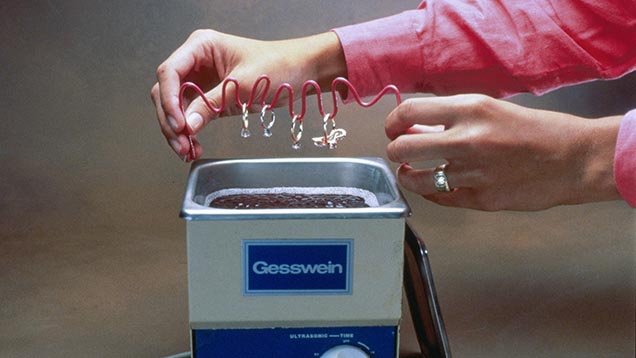
Our Verdict? Frenemy: a blend of friend and enemy
I purchased a ring for my wife’s birthday and has has worn it about 10 times but it has been a year.Its a small stone that fell out but they said their policy is to bring in the ring every 6 months and have it inspected and if I had done that they would have fixed it.
I took it to another jeweler and had it repaired and while he was cleaning it another stone fell out. I just believe they sell ***, the ring was $1000.00 and if they can’t sell jewelry that the stones don’t fall out with limited or even full ware, they should go out of business. I am telling everyone I know about they crappy policy.
My wife has 20 fine pieces of jewelry and if it had all been purchased from (XYZ JEWELERS) she would not have time for anything else but inspecting jewelry. I hope they go out of business.OR
I went to go pick up my wedding band yesterday, and they offered to clean my engagement ring for me. Then there was a commotion in the back of the jewelry store and they asked me how long I’ve had the ring etc. I told them a little under a year. Then they told me that one of the little diamonds in the pave setting fell out and they couldn’t find it in the filter. I know the jeweler who cleaned my ring isn’t responsible for my ring since it’s only been a year and it shouldn’t have fallen out from a steam cleaning.
The jeweler where we got the ring from isn’t open today (Monday) and I only have 4 days to get my engagement ring fixed!! So are they responsible for the diamond? Luckily our ring is insured, but who’s responsible? What should I do?! Nothing is going right!!
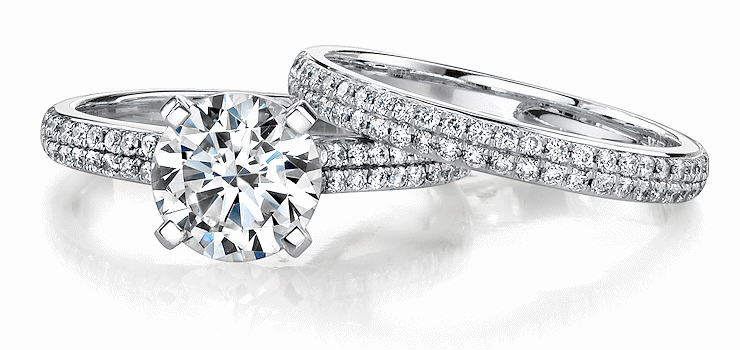
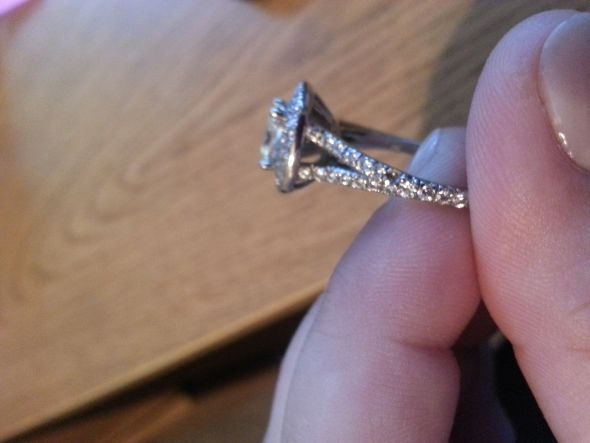
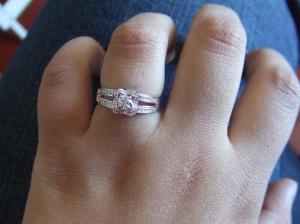
Just so we all know what kind of ring it is most likely to happen to: Micropave rings. They are super popular, and have teeny tiny prongs that hold the diamonds in the ring. (see right)
I always like to read comments after a heated complaint, and there was quite a range of responses ranging from commiseration, insurance claims, insurance fraud, and general bad-mouthing. I DID like this one to a point…
Pave settings, however, are notorious for losing stones, no matter how long (or short) a time you’ve worn them. Can you check with your jeweler to see how they actually cleaned the ring? If they put it in some sort of ultrasonic machine (which uses tiny, fast vibrations to knock dirt and grime loose into the cleaning solution),
it is almost certainly the jeweler’s fault — any jeweler worth their salt should know not to put pave in an ultrasonic machine.The tiny vibrations can easily knock the stones right out of the pave setting. If they cleaned it more gently, then it was probably about to fall out anyway and not the jeweler’s fault.
It’s hard to say without knowing the details of your setting, but sometimes the maker of the setting will replace the pave stones for free or a nominal cost, since they expect that a few will fall out sooner or later. Check with whomever you bought the ring from to see if this is true.If it’s going to cost less than your insurance deductible to get it fixed, there’s no sense in putting a claim on your insurance unnecessarily.Let’s look at this in Three Parts: Why Did This Happen? Whose Fault Is It? Ways to HELP Prevent It
Why Did This Happen?
- Normal Wear & Tear: Did you know that the prongs are thinner than paper clips and made out of a relatively soft metal (white gold, gold, silver, etc) Each time you wear it, the prongs (especially those on the outer edges and at the tallest points) are getting worn down fractionally. Similar to the wear and tear on tires. No one expects tires to last 30 years, right?
- Common Occurrence: The prong was damaged previously (by wear and tear or hard hit) and was unnoticed because a build-up of lotion, soap, oils, etc was holding it in place like a glue. The heated jewelry cleaning solution loosened the lotion build-up and the stone fell out.
- Common Occurrence: No one, including the salesperson who took in your repair noticed that the diamond was missing because the spot was filled with white paint, lotion, etc. and wasn’t immediately noticeable. It was missing before you came in.
- Prong Pulled/Pushed: Don’t stop wearing sweaters, but prongs can over time get lifted by snagging on blankets, sweaters, your hair etc. A strong enough pull can lift the prong off the surface of the bezel facet,, releasing your diamond
- Thin walls/prongs: many rings on the market are priced to sell. Not necessarily priced to last. The thinner the metal holding the diamonds, the more prone to damage/wear and tear.
- Excessive maintenance: Extremes are problems in all walks of life, and jewelry care is no different. Excessive, repeated polishing can expedite the wear and tear process from gradual to moderate. Don’t worry about occasional clean & polishes. but also don’t get your ring polished every day.
- Extreme ring sizing: When you adjust the angle of the ring shank (up OR down) by a lot, the angle of the prongs also changes. Sometimes, stones will loosen following a sizing of more than 2 sizes either direction. Many jewelers take precautions to prevent this from happening, but no two jobs are the same, and many times, they cannot make any guarantees.
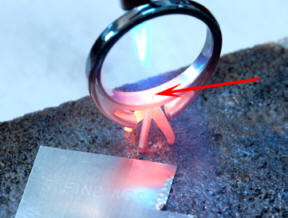
- Everyone’s Frenemy: the ultrasonic jewelry cleaner is a standard part of any jeweler’s cleaning regimen. The wave shake gunk out from behind stones and can speed up the pre-repair cleaning process exponentially. Many people do not realize that jewelry must be squeaky clean prior to heating (with the torch). If it is not completely clean, oils and dirt can “burn” onto the backsides of the stones and inside tiny crevices in the jewelry. Without the ultrasonic cleaning, many jewelry pieces would take days longer to repair or service due only to the cleaning time required. During the gunk shake-up, diamonds can also shake loose and fall to the bottom of the cleaner. Ultrasonics are a necessary evil and often paired with diamond’s #2 enemy (the steamer) which uses high powered jets of steam to remove debris from jewelry. This was probably the real cause of the commotion in the above example as a diamond bounced off the floor and everyone crawled around trying to find it.
Whose Fault Is It?
It would be great if we could simply point a finger at one party, time and time again. Here is a general breakdown of where fault CAN lie. Each case is individual, and with all human conflict, usually a combination of faults.
- The Jeweler: whether they cleaned it, repaired it, sold it, or looked at it, the jeweler gets a lot of blame in any “diamond fell out” situation. The jeweler is occasionally guilty of extreme sizing problems and overzealous polishing.
- The Manufacturer: Thin walls and teeny prongs are made with the minimum amount of gold to keep their costs competitive with other manufacturers, whose goal is to keep their jewelry affordable enough for end users despite rising metals costs (outside of their control).
- The Consumer: Wearing delicate jewelry while very active (think landscaping) can cause unusual wear and tear issues. Consumers should also limit chemical exposure (cosmetics, cleaners, bleach, and pools) which can weaken metals by eating little holes in it.
- No One’s Fault: Wear & Tear is normal, and just like computers and cars require regular maintenance to keep them performing their best, jewelry also needs occasional check-ups. Accidents happen. Consumers and Jewelers both can get in a rush and forget to thoroughly inspect items prior to cleaning, and it can lead to upset all the way around.
- The Salesperson: I mention this as a separate entity because many times, a sales associate in a jewelry store will have little to no training on jewelry maintenance, repairs, diamonds, etc. It is their job to record client information and sell jewelry. Just like a waiter is not at fault for salty food, a salesperson usually had no hand in your repair. At the same time, if your salesperson is rude or unsympathetic to the unfortunate-ness of your situation, you do have a right to be upset about their handling of the issue.
Ways to HELP Prevent It
Nothing is going to be 100% fail proof, but there are several things both jewelers and consumers can do to lesson the occurrence and the impact of losing a stone.
- The Consumer: Maintain your jewelry’s integrity by removing it during heavy activity & chemical exposure
- Yearly Prong Checks: by a trained jeweler (note NOT a salesperson). A trained jeweler will be able to identify heavy wear and can suggest preventative measures to keep jewelry looking its best. It is less expensive to re-tip an existing prong than to replace a missing/broken prong + missing diamond
- Be aware that shared prongs and or thin construction can lead to more stone issues if you tend to be hard on your jewelry
- If you have inherited a ring that you plan to put into daily wear, take the time and initial expense to get it inspected by a trained jeweler, so it will last another generation of wear
- Make sure your jeweler carefully inspects your ring in front of you prior to taking it to the back for cleaning or service. It prevents any weird feelings about whether stones were missing prior to drop off, or any prong damage/wear can be identified proactively.
If you do have a stone fall out
In the end, it is not a complete disaster. Most jewelry stores across the country will replace diamonds and reset them for less than $50.
A tip: if your stone comes out during cleaning or service work at your local jeweler’s, try to understand it is a bad day for them as well. Most jewelry stores that have on site repair centers can replace the diamond quickly and reasonably. Some jewelers will give you a discounted repair fee if they feel they were somewhat responsible (ie. did not check prongs prior to cleaning) Remember it is easier to lure flies with honey…
If a diamond falls out while you are outside a jewelry store, try to locate it. If you can find it, it will save you the cost of a new stone at the jeweler’s. You can bring it in by using a piece of scotch tape to secure it to a piece of paper.
Regarding Insurance Claims
This leads into the next issue of whether to claim it on your insurance (usually jewelry is covered as a rider on your homeowners or renters policy). Most clients have reported that only center stones are usually worth the hassle of submitting claims to their insurance company.
Losing a diamond is one of the most emotional problems consumers face at the jeweler’s, and there is a lot of emotional misinformation out there. Hope this helps you keep your cool if it happens to you.


July 5, 2013
Some Recent Questions Answered
Q: Can I add a halo setting to my current engagement ring?
A: Yes, there are now peg settings that have a halo on them for almost all diamond shapes. Some have diamonds on the sides and some just on top. The cost of adding a halo is usually under $1000 (depending on stone size, number of stones, etc.). It usually takes a week to complete (ordering the parts, diamonds, and setting)
Q. My watch stem fell out. Is this worth fixing?
A. It depends on you. A detent repair is usually around $75. It can be more if you have lost the crown, stem, or both. Most of you know we run on the practical side of things. We think watch repairs (in general) are best suited to fancier/expensive watches or watches with sentimental value (Grandpa’s watch). Expect watch repairs in general to take a month or so to complete depending on parts availability.
Q: I saw something on Pinterest. . .
A: While this was not exactly a question, Yes. We can make this. Look around for any scrap gold or diamonds you want to use in your project.
Q: How should I take care of silver jewelry
A: Store it away from moisture (kitchen and bathroom) and avoid chemicals (lotion, cosmetics, perfume, bleach of any kind). We use polishing cloths for routine maintenance, and a stronger silver cleaner for deep cleaning. If you don’t want to hassle with it, bring it into the shop, and we can restore it for you. Trick of the trade: store in a ziplock bag to reduce future tarnishing.
May 29, 2013
417 Magazine has featured the pres in a bid for Springfield, MO’s Most Beautiful Woman Award 2013

417 Magazine Most Beautiful Woman Pic
417 Magazine has featured the pres in a bid for Springfield, MO’s Most Beautiful Woman Award 2013
First round of voting continues through June 2nd. Proceeds will benefit the Library Foundation! Thanks for your support
Jennifer Choi
Vote Now!
Age: 33
Charity of Choice: The Library Foundation
City: Springfield
Occupation: President, Rose Diamonds Custom Design & Repair
Spouse: Ossi Choi
Children: Joseph Choi, 13; Jackson Choi, 6
What’s your favorite feature about yourself? Why?
My short memory. I was once told it was my best feature. I tend to forgive and forget easily. Life is too short to hold grudges about the past.
When you were a child, who did you think was the most beautiful woman? Why?
I remember being fascinated by Connie Chung. Growing up, there were not many Asian role models to look up to. I liked that she was very professional and commanded equal respect from her co-anchors.
What’s your favorite source of inspiration? How does it inspire you?
Books. I read. A lot. Fiction, non-fiction, short and long—I love it all. I love going to a bookstore or a library and being able to visualize a different place, time, lifestyle or point of view. It gives me a feeling of limitless possibilities, and it opens doors to new ideas. Once you have a new idea, the sky is the limit on what you can achieve with it.
Fill in the blank: Friends would describe you as “The ______ One.”
My friends said The Classy One. I would say The Focused One.
What is your charity of choice, and why is it important to you?
My charity of choice would be the Library Foundation. Going to the library was one of my favorite outings growing up, as I obsessively read all of The Boxcar Children books, in order. At this moment, I have 22 items checked out from the library, and they range from books on photography and business to historical novels and books and DVDs for my boys. Growing up in Springfield, I have seen our library system expand its collections and develop new programs for children and adults that have made a positive impact on people from all backgrounds. I am proud of the variety of programs our library system has for children and adults. The Library Foundation was founded to enhance the Greene County Public Library’s mission of providing the people of Greene County with the broadest possible access to knowledge, ideas and information, and to support them in their pursuit of learning. The Foundation has provided funding to build the library’s collections, to expand technology and to support library programs, including the Summer Reading Program, cultural initiatives and early literacy and school readiness programs.
“With a library you are free, not confined by temporary political climates. It is the most democratic of institutions because no one—but no one at all—can tell you what to read and when and how.” ―Doris Lessing
What do you think makes a woman beautiful?
An easy smile. Life is short. I think there is a magnetism to people who are able to appreciate the humor and joys of life.
Why do you think you’re a 10 Most Beautiful Women finalist?
My friend is an excellent writer. She is able to see the best in everyone and eloquently express herself.
Do you volunteer, or are you involved in any philanthropic or community organizations?
I love to help others. I support a variety of charities and organizations through the jewelry store. Our business has created custom designs that have been auctioned and raffled off for local organizations including the American Cancer Society, the Springfield Ballet, Temple Israel and Cox Health Foundation. As the founder of the “Right on Republic” business association, I work with other businesses in the community to promote local small businesses through cross marketing and combined events. This year, I am working with the Girl Scouts and other organizations in the area to educate girls interested in owning their own businesses someday. I also volunteer as the treasurer of my homeowners association. I enjoy getting to know my neighbors and working together to solve issues in our neighborhood.
How are those experiences meaningful to you?
My family has experienced hard times in the past, and I feel very blessed that we have been able to overcome a lot of obstacles. In my position as a custom jeweler, I have the opportunity to meet people during some of their happiest moments. Conversely, as a pawnbroker, I have the heartbreaking position of helping people during their darkest hours. When people are going through hard times, whether family or financial, it makes me appreciate how lucky we are in the United States to enjoy all of the opportunities available to us.
I have two sons, and it is my goal to teach them, through my example, that change in a community comes from people pitching in and getting involved. For example, my most recent donation to a local school’s spaghetti dinner fundraiser won’t be featured on the front page of the newspaper, but I find that our donations to small organizations are equally as important to the community as our contributions to large charities.
Tell us what you do for a living:
I am a custom jeweler/GIA graduate gemologist at Rose Diamonds. I help people create the jewelry they have always dreamed of, engrave special names, logos and sentiments on cherished jewelry and repair their treasured rings, earrings, necklaces and bracelets.
What are you most proud of?
I am most proud of my family. Through all the ups and downs of life, my family has always been a comfort to me. I would not be who I am today without them. When they succeed, I succeed. When they feel joy, I feel joy. They are my top priority.
What has been your biggest hurdle to overcome?
Having the perseverance to keep working toward our dreams. Being a business owner is not always the glamorous life people envision. We did not inherit a legacy store. Our first jewelry business started with one bag of silver that we lovingly tucked into the safe each evening. A lot of people told us that our location was bad, our inventory was limited and we were not going to make it. To continue moving forward despite the naysayers was our defining moment. My husband and I learned to trust each other and to trust God’s plan for us.
What are three words that describe you?
Parent, curious, nerd.
What advice would you give to a young girl about being beautiful?
Throw away society’s ideas of beautiful and embrace what God gave you. Learn to accept your body. Come to terms with the fact that women will always be judged by our physical appearance to some extent. This is life. Remember that physical beauty can be fleeting, and our true beauty comes from within.
What are your favorite ways to spend a day off work?
I usually do glamorous things like laundry, but since moving back to the Ozarks, our family has developed a love of camping and fishing. I can’t think of anything I’d rather be doing than spending time with the family enjoying the beauty of the Ozarks.
What is your most prized possession?
My iPhone. Portable reading, tracking kids’ locations, keeping an eye on the security cams at work, OCD weather checking, translator and Angry Birds! All-in-one fun.
What is your Facebook status right now?
I posted some pictures of a trip I took with my oldest son. We were on a business trip to Singapore and South Korea. It was my son’s first international trip, and it was a pleasure to introduce him to the unique customs and food of Asia.
If you could have one talent that you don’t currently have, what would it be?
To slow down time. I imagine there would be a million other projects I could complete with more time on my hands. Gardening projects, decorating projects, field trips, etc. Also, I feel like my sons are growing up too quickly, so there are times I would like to savor my time with them. I would also have more time to read.
What’s something that might surprise us about you, or a story you love to tell?
My first kiss was from Wayne Newton. While he was performing in Branson, I played violin at his theater, and he kissed me in front of the whole audience.
If someone made a movie of your life, what would it be called?
I imagine it as a comedy about marrying someone from a different background. Perhaps a new version of Lost in Translation.
Vote Now!
March 21, 2013
Update your look for Spring with stuff you already have
Have you gone through a recent bout of spring cleaning? Here are a few quick ideas to update your look for spring keeping your budget in mind.
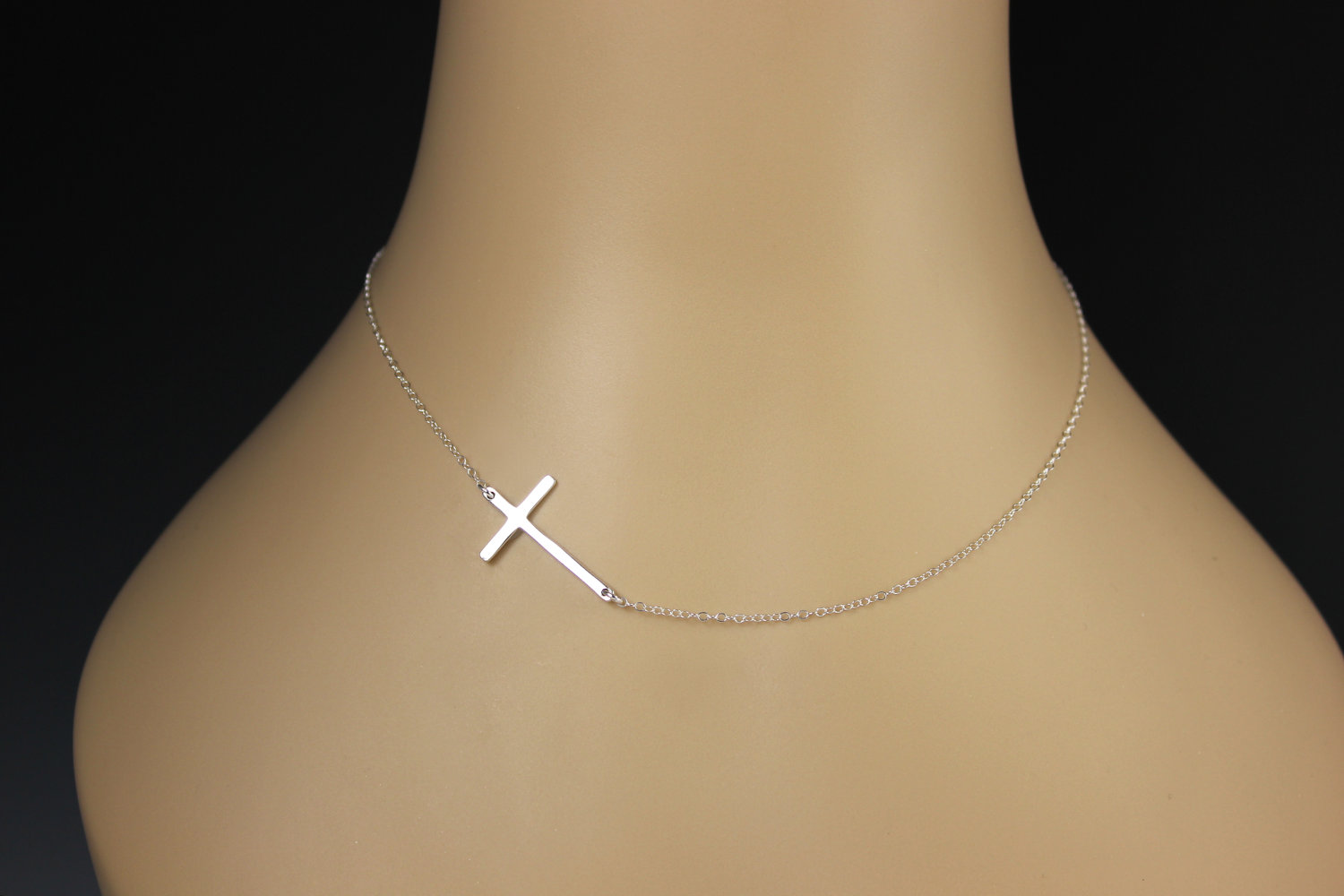
The side ways cross necklace has been a pretty hot trend lately. Your jeweler should be able to drill a hole in the bottom of your childhood cross and attach it to a chain where it sits on the side or in the center of the necklace. Smaller crosses work best for this type of project. You will see this trend with curved crosses as well as straight ones. Don’t try bending your cross to get this look though. If you have the cross and the chain, this project should take one to two business days and cost less than $50.
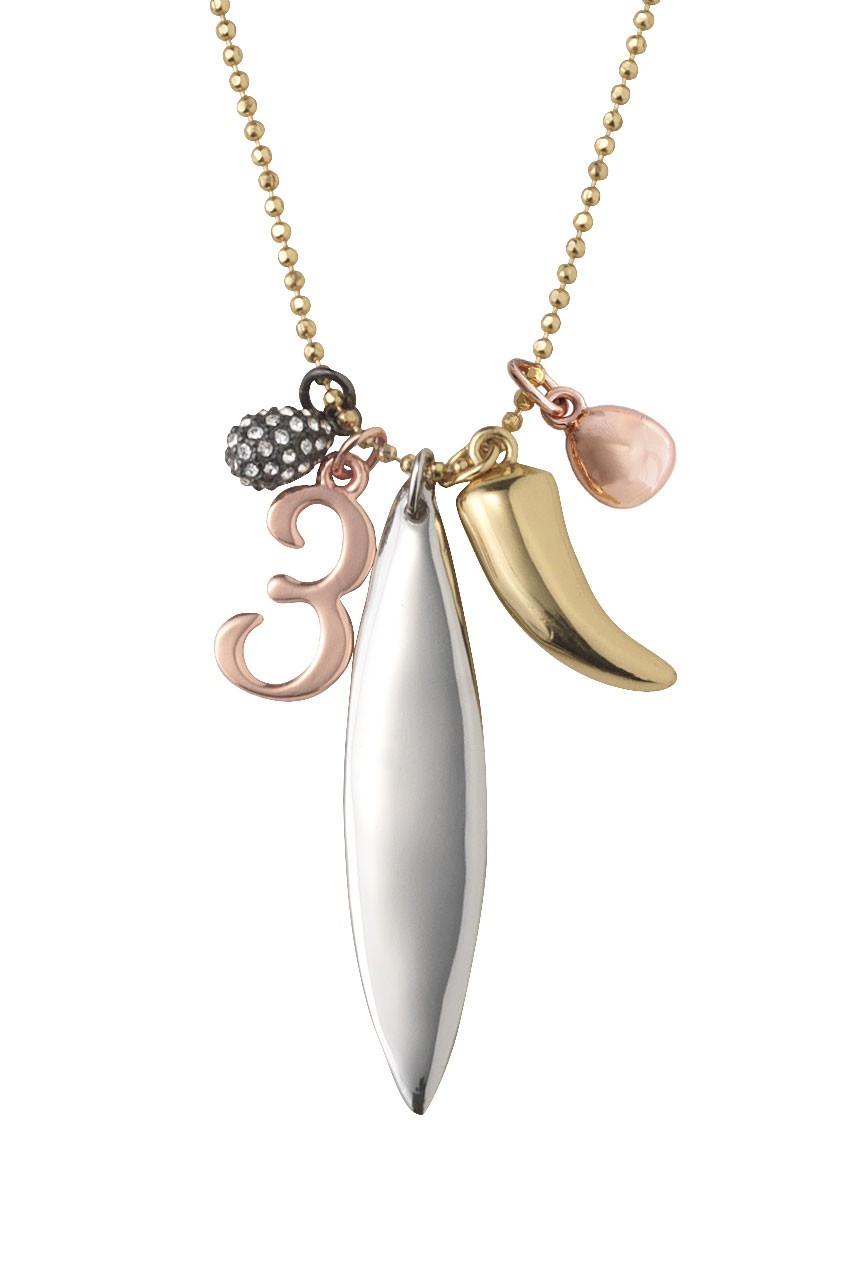
Another trend is combining tiny charms (that have meaning) on a single chain. This can help smaller pieces (think tiny birthstone charms, puffed hearts, pearl pendants, etc) have more of an impact. Combine sizes, metal colors, shapes, etc to give depth.
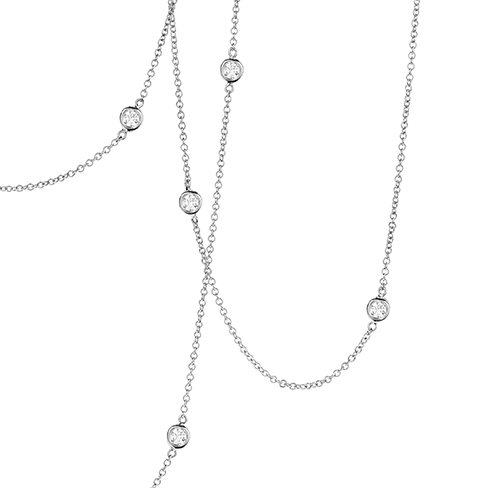
If you have some diamonds that are too small to be “impressive” on their own, consider adding them to necklace as stations. The chain can be worn as a necklace or as a bracelet (if you don’t have many) and you can use contrasting metal colors (like rose or yellow) to add interest. Uneven spacing will look more artistic than even spacing. Doubling the chain or combining them with other layered necklaces can also add to the look.
December 29, 2012
After Christmas Problems Solved
Following any big holiday, we see an influx of people looking to “adjust” their gifts. Here are some of the most common issues we see after Christmas:
Problem: New Ring is too big/too small
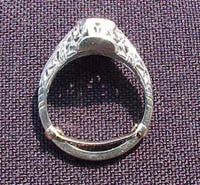
Solution: Ring Sizing or ring guard. Price will vary depending on the thickness of the metal and what kind of metal it is (silver is less than gold. gold less than platinum). Sizing up costs more than sizing down. Problem/sensitive stones (amythest, citrine, tanzanite, opal, turqouise, mother of pearl, emeralds, etc) may have an additional cost if the jeweler needs to remove them or use a more elaborate set-up to protect the stones from damage from the jewelers torch $$
Ring Guards are a less expensive version (at time of publication $5) and take two minutes to install. They are slightly adjustable, but they are not as comfortable as getting the ring to the right size. $
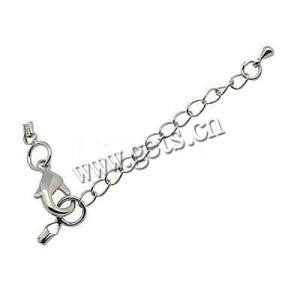
Problem: Chain is too short/too long
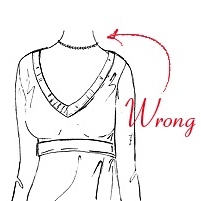
Solution: Obviously, we can replace the chain with one of the proper length. If your chain is too long, it can be shortened (same day usually) for $15-30. We do this by removing links and then soldering the chain back together. If it is a round chain, we usually removed the endcap (endpiece) and shorten it seamlessly. $$
If your chain is too short, we can add an extender to the back in the form of a chain segment. If you want the chain to match exactly, we can order in a bracelet of the same link to work from or we might
have your link in stock. This may not be the best choice if you have short hair as the chain extender will show in the back. Round chains (rope, singapore, snake, and box) do not have a way to seamlessly add matching links, so in these cases many people choose to replace or add a standard extension chain to it. Price on this depends on how much chain (length and width) you are adding. We might be able to use one of your old chains, bracelets, anklets, etc to do the extension. Bring it in and ask $$$
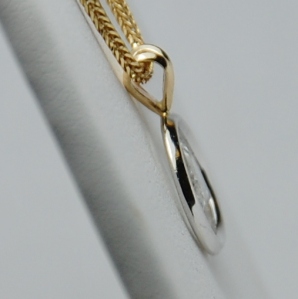
Problem: Pendant won’t go through the chain I want to use.
Solution: We are practical types, so we usually recommend the path of least cost to you. In most cases, this means that we will adjust the pail of your pendant. There are cases where we remove the endpiece to your chain to slip it on (this means it won’t accidentally come off, but you won’t be able to switch pendants this way) Cost will vary depending on whether we are simply re-shaping an end or removing and re-soldering. Larger replacement bails are also available. $$

Problem: Tiny, Tangly Chains
Solution: Tiny chains come with many pendants or are available at promo (cheap) prices so people aren’t overwhelmed with a pendant price AND a chain price (it can work out to doubling the cost for a nice chain). To keep a tiny chain untangled, store it clasped. Storing the chain hanging (a panel nail on the inside of your closet wall will do) or notch a business card/scrap of paper and wrap the chain around it to prevent tangling when not wearing it. There are several chains that resist tangling more than others. If you are thinking of replacing your chain, we usually recommend at least a 1mm diameter. Replacement chains (appx 18′ with a 1mm diameter) run from $100-250 depending on the style/weight in gold. Silver replacement chains are from $15-35.
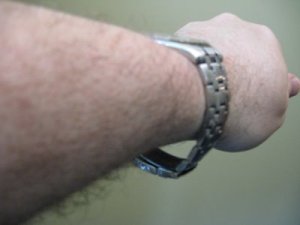
Problem: Watch too big
Solution: We can adjust the links of most watches while you wait for a flat fee ($5 at time of writing this). Notice we did not mention lengthening watches…the only way to handle this is for you to find your replacement links (look in your button drawer) or for us to replace the watchband (leather runs around $25 while a stainless or two tone option runs around $35)
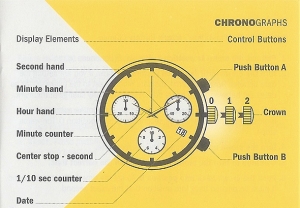
Problem: What are all these dials for. Is my watch even running?
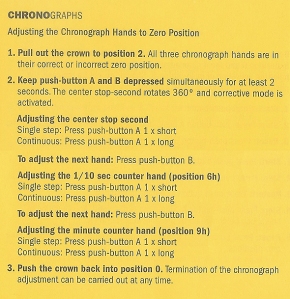
Solution: Everyone loves the “complicated” look of a chronograph. First things first. A chronograph is like a stopwatch. It has two second hands. The general one is in one of the small dials. The large second hand only sweeps when you push the top button on your watch. Here are a couple diagrams for your convenience on the most common issue peple have with resetting their chrono.


 Rose Diamonds Custom Jewelry Design & Repair-Springfield, MO 1374 E Republic Rd